

০৯:৩৪ পূর্বাহ্ন, মঙ্গলবার, ১০ ফেব্রুয়ারী ২০২৬, ২৮ মাঘ ১৪৩২ বঙ্গাব্দ

Bangladesh, US Sign Agreement; Reciprocal Tariffs Reduced

  • Voice24 Admin
  • সময়ঃ ০৫:৪০:১১ অপরাহ্ন, সোমবার, ৯ ফেব্রুয়ারী ২০২৬
  • ৫৪২ Time View

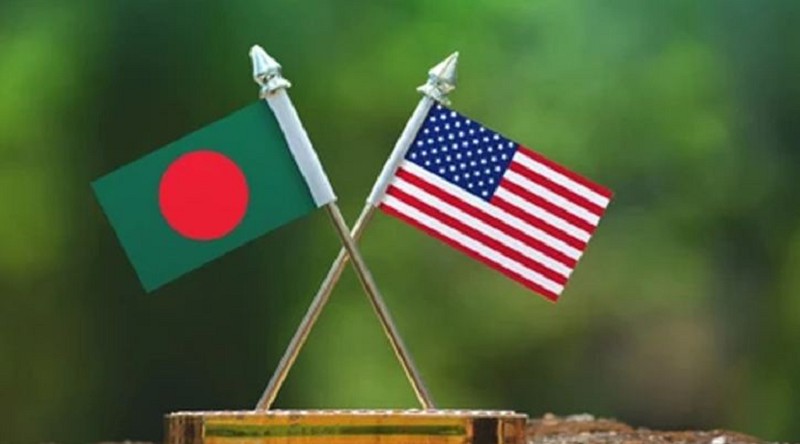
A new horizon has opened in the commercial relations between Bangladesh and the United States. The two countries have signed a historic agreement to reduce the long-anticipated and much-discussed reciprocal tariff rate to 19 percent. Consequently, under this agreement, the ‘reciprocal’ or mutual tariff benefit for garments manufactured using cotton and synthetic fibers imported from the US, when exported back to the US, has been lowered to zero percent.

This bilateral agreement was signed today, Monday (February 9), at 10 AM local time in Washington.

Sheikh Bashiruddin, Bangladesh’s Commerce Advisor, signed the agreement online from Dhaka. Jamieson Greer, the US Trade Representative, signed on behalf of the United States. The virtual signing ceremony took place in the presence of the Bangladeshi delegation present in Washington.

Also participating from Bangladesh in the ceremony were Security Advisor Dr. Khalilur Rahman, Chief Advisor’s Special Assistant for International Affairs Lutfe Siddiqui, and Commerce Secretary Mahbubur Rahman.

For several years, high tariffs on Bangladeshi ready-made garments exported to the US market posed a significant challenge. Conversely, Washington had long-standing demands regarding Bangladesh’s tariff structure on imported cotton and fibers from the United States. With this new agreement, Bangladesh will now be able to export garments made using US cotton and synthetic fibers to the American market duty-free.

Experts state that by reducing the reciprocal tariff rate to 19 percent and gaining zero-tariff benefits for garments made from specific raw materials, the competitiveness of Bangladesh’s apparel sector in the global market will significantly increase.

This will not only boost export earnings but also foster a balanced and long-term commercial partnership between the two countries.

Industry stakeholders have termed this agreement a ‘milestone’ for the country’s economy, which will play a crucial role in addressing the challenges post-LDC graduation in 2026.


ট্যাগঃ

Bangladesh, US Sign Agreement; Reciprocal Tariffs Reduced

সময়ঃ ০৫:৪০:১১ অপরাহ্ন, সোমবার, ৯ ফেব্রুয়ারী ২০২৬

A new horizon has opened in the commercial relations between Bangladesh and the United States. The two countries have signed a historic agreement to reduce the long-anticipated and much-discussed reciprocal tariff rate to 19 percent. Consequently, under this agreement, the ‘reciprocal’ or mutual tariff benefit for garments manufactured using cotton and synthetic fibers imported from the US, when exported back to the US, has been lowered to zero percent.

This bilateral agreement was signed today, Monday (February 9), at 10 AM local time in Washington.

Sheikh Bashiruddin, Bangladesh’s Commerce Advisor, signed the agreement online from Dhaka. Jamieson Greer, the US Trade Representative, signed on behalf of the United States. The virtual signing ceremony took place in the presence of the Bangladeshi delegation present in Washington.

Also participating from Bangladesh in the ceremony were Security Advisor Dr. Khalilur Rahman, Chief Advisor’s Special Assistant for International Affairs Lutfe Siddiqui, and Commerce Secretary Mahbubur Rahman.

For several years, high tariffs on Bangladeshi ready-made garments exported to the US market posed a significant challenge. Conversely, Washington had long-standing demands regarding Bangladesh’s tariff structure on imported cotton and fibers from the United States. With this new agreement, Bangladesh will now be able to export garments made using US cotton and synthetic fibers to the American market duty-free.

Experts state that by reducing the reciprocal tariff rate to 19 percent and gaining zero-tariff benefits for garments made from specific raw materials, the competitiveness of Bangladesh’s apparel sector in the global market will significantly increase.

This will not only boost export earnings but also foster a balanced and long-term commercial partnership between the two countries.

Industry stakeholders have termed this agreement a ‘milestone’ for the country’s economy, which will play a crucial role in addressing the challenges post-LDC graduation in 2026.